Commercial Mold Remediation for Warehouses in Belleair Shores: High-Risk Solutions
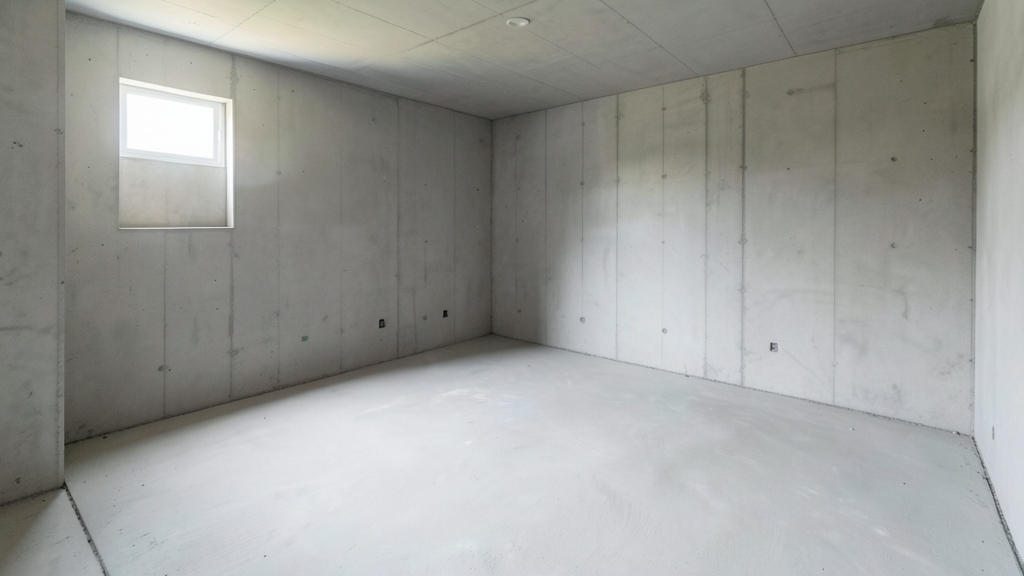
Warehouses in our coastal climate face unique mold risks due to humidity, poor ventilation, and water intrusion. Left unchecked, mold can compromise inventory, structural integrity, and worker health. We specialize in targeted remediation for high-risk warehouse zones in Belleair Shores and surrounding areas like Clearwater and Largo.
Why Warehouses Are Mold Magnets in Coastal Florida
Our humid subtropical climate, especially during the long, wet summers, creates ideal conditions for mold growth. Warehouses often lack climate control, exacerbating the problem.
Poor airflow, condensation on metal surfaces, and porous materials like cardboard or wood pallets provide ample food sources for spores. Even minor roof leaks or ground-level moisture can trigger outbreaks.
Proximity to water in Belleair Shores and nearby Belleair Beach means higher ambient humidity. Without proactive moisture control, warehouses become breeding grounds for Aspergillus, Cladosporium, and Stachybotrys.
High-Risk Areas in Warehouses We Target First
Roof leaks and damaged flashing often lead to attic mold, which can spread downward. We inspect these areas thoroughly, especially after heavy rains common in our region.
Concrete slabs and floor joints wick moisture from the ground, creating hidden mold under shelving or pallets. This is frequent in older warehouses in Largo and Clearwater with poor vapor barriers.
HVAC systems circulate spores if ducts are contaminated. We prioritize duct cleaning and filtration upgrades to prevent cross-contamination.
Loading docks and entry points are vulnerable to water intrusion during storms. Sealing gaps and improving drainage are critical first steps.
| Zone | Primary Risk Factors | Typical Mold Types |
|---|---|---|
| Attics & Roofs | Leaks, poor ventilation, trapped humidity | Aspergillus, Cladosporium |
| Concrete Floors | Moisture wicking, poor vapor barriers | Penicillium, Alternaria |
| HVAC Ducts | Condensation, dust buildup, poor filtration | Stachybotrys, Chaetomium |
| Loading Docks | Water intrusion, standing water | Ulocladium, Fusarium |
| Pallet Storage | Organic materials, high humidity | Trichoderma, Mucor |
Our Warehouse Mold Remediation Process
We begin with a comprehensive mold inspection and air quality testing to identify spore types and concentration levels. This data guides our remediation plan.
Containment is critical. We use negative air pressure and physical barriers to prevent spores from spreading to clean areas during removal.
HEPA vacuums and air scrubbers capture airborne spores, while antimicrobial treatments eliminate surface mold. Porous materials like drywall or insulation are often removed and replaced.
For structural drying, we deploy industrial dehumidifiers and fans to reduce moisture levels below 50%, the threshold for mold growth.
We follow OSHA and EPA guidelines for commercial remediation, including PPE for our team and proper disposal of contaminated materials. Safety and legality are non-negotiable.
Preventing Recurrence in Warehouses
Moisture control is the foundation. We install or upgrade vapor barriers, improve grading around the building, and recommend dehumidifiers for climate-sensitive storage areas.
Regular HVAC maintenance, including filter changes and duct cleaning, reduces spore circulation. We also advise on humidity monitors for early detection.
Inventory management plays a role. Elevating pallets off the floor, using moisture-resistant materials, and rotating stock prevent trapped moisture and organic buildup.
In areas like Indian Rocks Beach, where flooding is a risk, we design custom drainage solutions and waterproofing to mitigate future water intrusion.
Warehouse Mold Prevention Checklist
- Install vapor barriers under concrete slabs
- Seal gaps around doors, windows, and loading docks
- Use dehumidifiers in storage and high-humidity zones
- Inspect roofs and gutters bi-annually for leaks
- Elevate inventory at least 6 inches off the floor
- Schedule quarterly HVAC maintenance and filter changes
Signs Your Warehouse Needs Professional Remediation
Visible mold growth on walls, ceilings, or inventory is an obvious red flag. Black, green, or white patches often indicate a larger hidden problem.
Musty odors are a telltale sign of active mold, even if you can’t see it. These smells are especially noticeable in enclosed spaces like storage rooms.
Employee health complaints—such as respiratory issues, allergies, or skin irritation—may signal poor air quality due to mold spores.
Water stains or peeling paint on walls and ceilings often point to past or ongoing moisture issues, which can lead to mold if not addressed.
Warehouse mold often covers large areas and involves hazardous spores. Improper removal can worsen contamination and pose health risks. Always seek qualified help.
How Warehouse Mold Affects Your Business
Mold can damage inventory, leading to costly losses. Organic materials like paper, fabric, or wood are particularly vulnerable to degradation and staining.
Structural damage from prolonged mold exposure can compromise the integrity of beams, joists, and flooring, requiring expensive repairs or even partial rebuilds.
Worker health and productivity suffer in mold-contaminated environments. Absenteeism and potential liability issues can arise from exposure.
Reputation is at stake. Clients and partners may avoid warehouses with known mold problems, impacting your business relationships in competitive markets like Clearwater and Belleair Shores.
Local Factors That Increase Warehouse Mold Risk
Belleair Shores’ proximity to the Gulf means higher humidity year-round, with peak levels during the summer and early fall. Storm surges and heavy rains can overwhelm drainage systems.
Older warehouses in Largo and Indian Rocks Beach often lack modern moisture barriers or insulation, making them more susceptible to mold growth.
Industrial areas near water treatment facilities or marshes may experience elevated moisture levels in the air, further increasing risk.
Seasonal temperature swings cause condensation on metal surfaces, a common issue in warehouse environments with poor climate control.
How to Prepare Your Warehouse for Professional Mold Remediation
Taking these steps before our team arrives ensures a smoother, more effective remediation process.
- 1Clear the Affected Areas
Remove all inventory, equipment, and obstacles from the zones identified for remediation. This allows our team full access to contaminated surfaces.
- 2Shut Down HVAC Systems
Turn off heating, cooling, and ventilation systems to prevent spores from spreading to other parts of the warehouse during the process.
- 3Notify Employees
Inform staff about the remediation schedule and restrict access to the work area. Safety is our top priority for everyone on-site.
- 4Document Existing Damage
Take photos or notes of visible mold, water damage, or structural issues. This helps with insurance claims and post-remediation verification.
- 5Arrange for Temporary Storage
If inventory must be relocated, ensure it’s stored in a dry, mold-free environment to avoid recontamination.
Frequently Asked Questions
How long does warehouse mold remediation typically take in Belleair Shores?
The duration depends on the size of the affected area, the type of mold, and the extent of the moisture problem. Small, contained issues may take 1-3 days, while large-scale remediation can take a week or more. We provide a detailed timeline after our initial inspection.
Can mold return after remediation?
Yes, if the underlying moisture issue isn’t resolved. That’s why we emphasize moisture control and prevention strategies as part of our process. Regular inspections and maintenance are key to long-term success.
Is warehouse mold remediation covered by insurance?
Coverage varies by policy. Many commercial insurance plans cover mold remediation if it’s the result of a covered peril, like a storm or pipe burst. We recommend reviewing your policy and documenting the damage thoroughly. Our team can provide the necessary reports for your claim.
What’s the difference between mold removal and mold remediation?
Mold removal refers to the physical act of cleaning or eliminating mold from surfaces. Remediation, however, is a comprehensive process that includes removal, containment, moisture control, and prevention to ensure the mold doesn’t return. We always recommend full remediation for warehouses.
Do you offer emergency mold remediation services for warehouses?
Water damage or sudden mold outbreaks can escalate quickly in a warehouse environment. We serve Belleair Shores, Clearwater, Largo, and surrounding areas to minimize damage and downtime.
How can I tell if my warehouse has a hidden mold problem?
Hidden mold often reveals itself through musty odors, unexplained health issues among employees, or water stains on walls or ceilings. If you suspect hidden mold, our mold inspection and air quality testing services can identify the source and extent of the problem.