Why DIY Mold Cleanup Can Put Your Belleair Shores Home at Risk
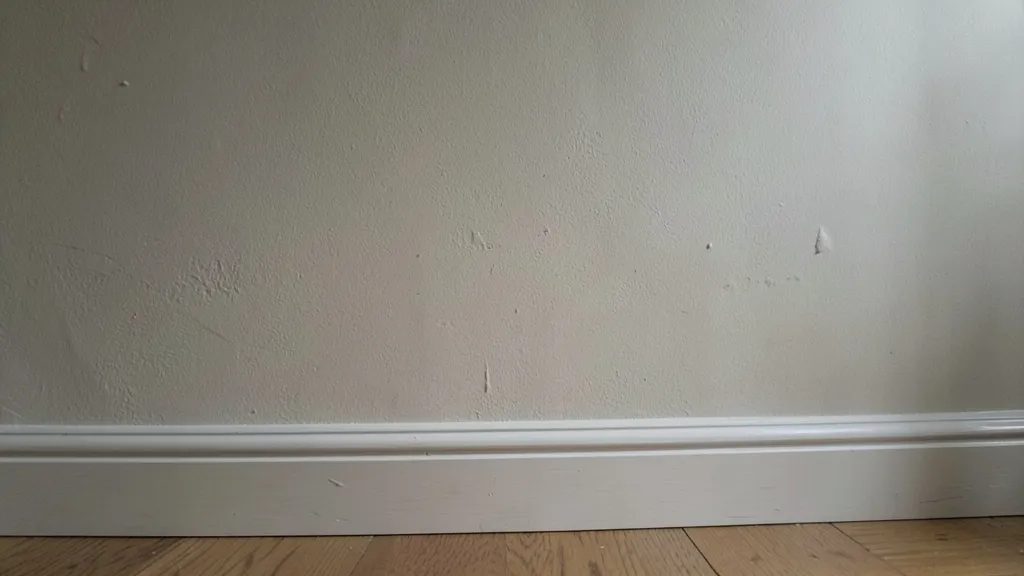
That dark patch in the corner might look like a simple weekend project, but DIY mold cleanup in coastal homes often does more harm than good. Without proper containment and removal, you risk spreading spores, missing hidden colonies, and exposing your household to serious health threats.
The Hidden Spread of Mold Spores
Disturbing mold without containment releases microscopic spores into the air. These spores travel through HVAC systems, settling in ductwork, attics, and even neighboring rooms in Belleair Shores homes.
Once airborne, spores can colonize new areas within 24–48 hours, especially in our humid Florida climate. What started as a small patch behind the drywall can quickly become a whole-home issue.
Health Risks You Can’t See or Smell
Not all mold is visible or odorous. Toxic varieties like Stachybotrys produce mycotoxins that trigger respiratory issues, headaches, and long-term immune system damage—even without direct contact.
Children, the elderly, and those with allergies or asthma are especially vulnerable. In Belleair Shores, where homes often have older construction, hidden mold in crawl spaces or behind baseboards is a common but overlooked hazard.
Even brief exposure during DIY scrubbing can release harmful spores. Without N95 respirators and full PPE, you risk inhaling or ingesting dangerous particles.
DIY Methods That Backfire
Bleach only removes surface mold—it doesn’t penetrate porous materials like drywall or wood. The roots remain, and the mold returns, often worse than before.
Vinegar or baking soda may kill some mold but won’t address the moisture source. Without fixing leaks or humidity, mold will recur, especially in damp areas like basements or bathrooms.
| Method | Effectiveness | Long-Term Risk |
|---|---|---|
| Bleach | Surface-level only | Mold regrowth, structural damage |
| Vinegar/Baking Soda | Limited kill rate | Incomplete removal, moisture persists |
| HEPA Vacuuming | Removes spores temporarily | No containment; spores redistribute |
| Professional Remediation | Full removal & prevention | Safe, lasting results with moisture control |
Missed Mold in Hard-to-Reach Areas
Mold thrives in hidden spaces: inside walls, under flooring, in HVAC ducts, or behind insulation. DIY efforts rarely access these zones, leaving colonies to spread unchecked.
In Belleair Shores, homes near the water—like those in Belleair Beach or Indian Rocks Beach—often have elevated crawl space humidity. Without professional inspection, mold can fester undetected for years.
The Role of Moisture in Mold Recurrence
Mold is a symptom, not the root problem. Without addressing water intrusion—from leaks, poor ventilation, or high humidity—mold will return no matter how thoroughly you clean.
Our team uses moisture meters and thermal imaging to locate hidden water sources. In Florida’s humid seasons, even small leaks can create ideal conditions for rapid mold growth.
Fix leaks, improve ventilation, and maintain humidity below 50%. Consider a dehumidifier in crawl spaces or basements common in Largo and Clearwater homes.
When DIY Crosses Into Structural Damage
Prolonged mold growth weakens wood, drywall, and insulation. DIY cleaning won’t restore structural integrity—only professional remediation with repairs ensures your home remains safe and sound.
In attics or crawl spaces, mold can compromise support beams. Left untreated, this can lead to costly repairs far beyond the initial cleanup.
Commercial-Grade Equipment Makes the Difference
Professionals use HEPA air scrubbers, negative air pressure systems, and antimicrobial treatments to ensure complete removal. These tools aren’t available to homeowners and are critical for safety.
For large or toxic mold infestations, containment barriers prevent spores from spreading during removal. This level of precision is impossible with DIY methods.
Protect Your Home with Professional Remediation
From initial mold testing and air quality assessments to full-scale removal and prevention, our team handles every step. We serve Belleair Shores and surrounding areas like Clearwater and Largo with tailored solutions.
Don’t gamble with your health or home’s integrity. Request a quote to address mold safely and effectively, the first time.
Signs You Need a Professional
- Mold covers an area larger than 10 square feet
- You suspect mold in HVAC, attics, or crawl spaces
- Household members experience unexplained health symptoms
- Mold returns after DIY cleaning
- You see warping, discoloration, or musty odors
How to Respond Safely If You Find Mold
Follow these steps to minimize risk before professionals arrive.
- 1Isolate the Area
Close doors and turn off HVAC systems to prevent spores from spreading to other parts of the home.
- 2Avoid Disturbing It
Do not touch, scrub, or spray the mold. Even light contact can release spores into the air.
- 3Ventilate Carefully
If possible, open windows to the outside—but only if it won’t spread spores further indoors.
- 4Turn Off Water Sources
Shut off water to the affected area if the mold is near plumbing or a known leak.
- 5Contact a Professional
Schedule a mold inspection and remediation assessment. For Belleair Shores homes, local experts understand coastal humidity challenges.
Frequently Asked Questions
Can I paint over mold to hide it?
No. Painting over mold traps moisture and allows it to grow beneath the surface. The mold will continue to spread and can cause the paint to peel. Always remove mold completely before repainting.
How do I know if my Belleair Shores home has toxic mold?
Toxic mold like Stachybotrys often appears black or dark green and has a slimy texture. However, the only way to confirm is through professional mold testing and air quality analysis. Never assume based on color alone.
Is mold in my crawl space a big deal?
Yes. Crawl spaces in humid climates like Florida are prime for mold growth. Spores can enter living spaces through vents or gaps, and moisture can rot wooden supports. Crawl space mold remediation is critical for home safety.
Why is mold more common in coastal homes like those in Belleair Shores?
Coastal homes face higher humidity, salt air, and frequent storms—all of which introduce moisture. Poor ventilation in beachfront properties (like those in Indian Rocks Beach) exacerbates the issue, creating ideal conditions for mold.
What’s the difference between mold removal and mold remediation?
Removal refers to eliminating visible mold, while remediation addresses the root cause (moisture) and ensures spores are contained and prevented from returning. True remediation includes cleanup, repairs, and prevention strategies.
Can mold come back after professional remediation?
If the moisture source isn’t fixed, yes. That’s why reputable companies include moisture control in their process. In Florida, ongoing humidity management is key to preventing recurrence.