The Hidden Dangers of Undetected Mold in Your Belleair Shores Home
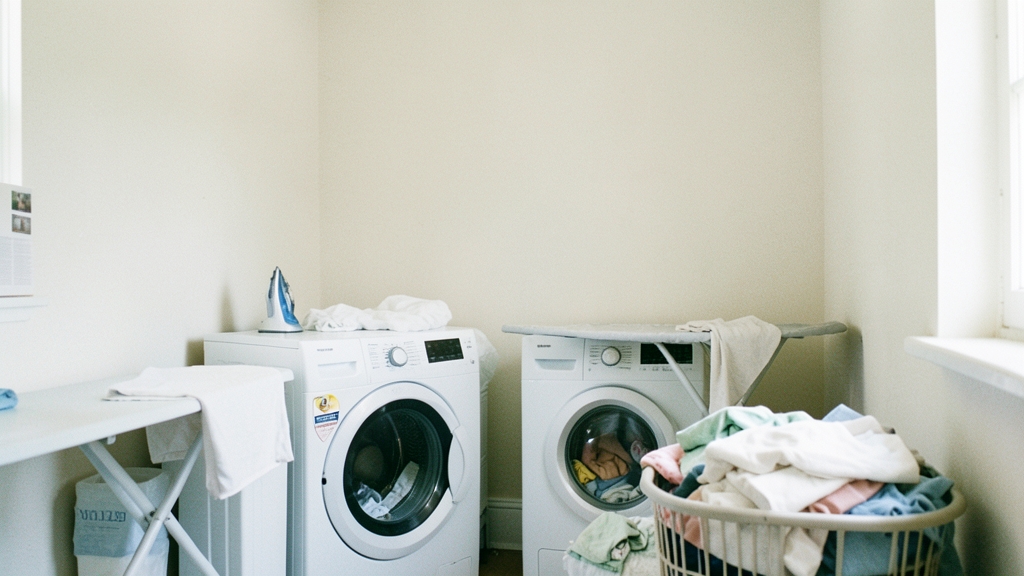
Mold thrives in the warm, humid climate of the Gulf Coast, often growing unseen behind walls or under flooring. Left unchecked, it can compromise your health and the structural integrity of your home. We’ve seen firsthand how undetected mold spreads in Belleair Shores and nearby areas like Clearwater and Largo, turning minor issues into costly remediation projects.
Why Mold Goes Undetected in Coastal Homes
Florida’s high humidity and frequent rain create ideal conditions for mold growth, especially in hidden spaces. Attics, crawl spaces, and behind drywall are common hotspots we inspect in Belleair Shores and Belleair Beach.
Poor ventilation in bathrooms, kitchens, and laundry rooms traps moisture, feeding mold colonies. Many homeowners don’t notice until spores spread to visible surfaces or trigger health symptoms.
Health Risks of Hidden Mold Exposure
Prolonged exposure to mold spores can cause respiratory issues, allergies, and skin irritation. Black mold (Stachybotrys) produces mycotoxins that may lead to more severe reactions, particularly in children, the elderly, or those with compromised immune systems.
Symptoms like chronic coughing, headaches, or fatigue often worsen indoors. If you notice these signs, a professional mold inspection and air quality testing can confirm whether mold is the culprit.
If you smell a musty odor or see water stains, mold may already be growing. Delaying remediation can exacerbate health risks and structural damage.
Common Signs of Hidden Mold in Your Home
Musty odors are a telltale sign, even if you can’t see mold. Pay attention to persistent smells in basements, attics, or near HVAC systems—these areas often harbor growth in Belleair Shores homes.
Water stains on ceilings or walls, peeling paint, or warped flooring indicate past or ongoing moisture issues. Discoloration (black, green, or white spots) on surfaces confirms active colonies.
Red Flags for Hidden Mold
- Unexplained musty odors
- Visible water stains or discoloration
- Peeling paint or wallpaper
- Allergy symptoms that improve outdoors
- Condensation on windows or walls
How Mold Spreads in Belleair Shores’ Climate
The Gulf Coast’s humidity levels often exceed 70%, providing constant moisture for mold. Without proper dehumidification, spores can colonize within 24–48 hours after water intrusion from leaks or storms.
Poorly sealed windows, aging roofs, and clogged gutters are common entry points for water. In neighborhoods near the coast, salt air can also accelerate deterioration, creating more vulnerabilities.
Mold vs. Mildew: What’s the Difference?
Mildew is a surface-level fungus that appears as white or gray powdery patches, often on shower tiles or windowsills. It’s easier to clean but can signal excess moisture that may lead to mold.
Mold penetrates deeper into materials like drywall, wood, or insulation. It often appears fuzzy or slimy and can be black, green, or red. Unlike mildew, mold requires professional remediation to fully eradicate.
| Feature | Mildew | Mold |
|---|---|---|
| Appearance | Powdery, white/gray | Fuzzy/slimy, black/green/red |
| Depth | Surface-level | Penetrates materials |
| Health Risk | Mild irritation | Respiratory issues, mycotoxins |
| Removal | DIY cleaning (bleach/vinegar) | Professional remediation required |
| Growth Rate | Slower | Rapid (24-48 hours) |
Where Mold Hides in Belleair Shores Homes
Attics are prime targets due to poor ventilation and roof leaks. We frequently find mold in insulation or on rafters during inspections in Largo and Indian Rocks Beach as well.
Crawl spaces and basements trap moisture from the ground, especially in older homes. HVAC systems can also spread spores throughout the house if ductwork is contaminated.
Inspect under sinks, behind appliances, and around pipes for leaks. Use a moisture meter to detect hidden dampness in walls or floors.
The Cost of Ignoring Mold: Structural Damage
Mold doesn’t just affect health—it weakens wood, drywall, and even concrete over time. In severe cases, it can compromise load-bearing structures, leading to costly repairs.
Water-damaged materials often require removal and replacement. The longer mold grows, the more extensive the remediation process becomes, especially in humidity-prone areas like Belleair Shores.
When to Call a Professional for Mold Remediation
If you suspect mold covers more than 10 square feet, or if it’s in your HVAC system, professional remediation is critical. DIY methods often miss hidden colonies, leading to recurrence.
For peace of mind, start with a mold inspection and air quality testing. Our team serves Belleair Shores, Clearwater, and surrounding areas, using thermal imaging and moisture meters to detect what’s invisible to the naked eye.
How to Prevent Mold Growth in Humid Climates
Proactive moisture control helps defend against mold in coastal Florida.
- 1Control Indoor Humidity
Use dehumidifiers to maintain levels below 60%. In Belleair Shores, aim for 30–50% during peak humidity months.
- 2Fix Leaks Promptly
Inspect pipes, roofs, and windows regularly. Even small leaks can fuel mold growth within days.
- 3Improve Ventilation
Install exhaust fans in bathrooms and kitchens. Ensure attics and crawl spaces have proper airflow.
- 4Use Mold-Resistant Materials
Opt for moisture-resistant drywall, paint, and insulation in high-risk areas like basements and bathrooms.
- 5Schedule Regular Inspections
Annual mold inspections can catch early signs of trouble, especially after storms or flooding common to the Gulf Coast.
Frequently Asked Questions
Can I test for mold myself in Belleair Shores?
DIY test kits can detect mold, but they often lack the precision of professional air quality testing. Lab analysis may not identify the source or extent of contamination. For accurate results, hire a local expert with proper equipment.
How quickly can mold grow after water damage?
Mold can begin growing within 24–48 hours of water exposure, especially in warm, humid conditions like those in Belleair Shores. Immediate water damage restoration is key to preventing colonization.
Is black mold more dangerous than other types?
Black mold (Stachybotrys) produces mycotoxins that can cause more severe health effects, but all mold should be treated seriously. The CDC advises removing any mold growth, regardless of type.
Will bleach kill mold on walls?
Bleach can kill surface mold on non-porous materials like tile but doesn’t penetrate porous surfaces like drywall. For deep infestations, professional mold removal and remediation are necessary to prevent regrowth.
Does homeowners insurance cover mold remediation in Florida?
Coverage varies by policy. Many standard policies exclude mold unless it’s a direct result of a covered peril, like a burst pipe. Review your policy or consult your insurer, and request a quote from a remediation specialist to understand potential costs.
What’s the difference between mold removal and mold remediation?
Mold removal refers to eliminating visible mold, while remediation addresses the root cause (e.g., moisture) and prevents recurrence. Full remediation includes containment, air filtration, and post-remediation testing to ensure safety.