How Professionals Prevent Mold from Returning in Belleair Shores
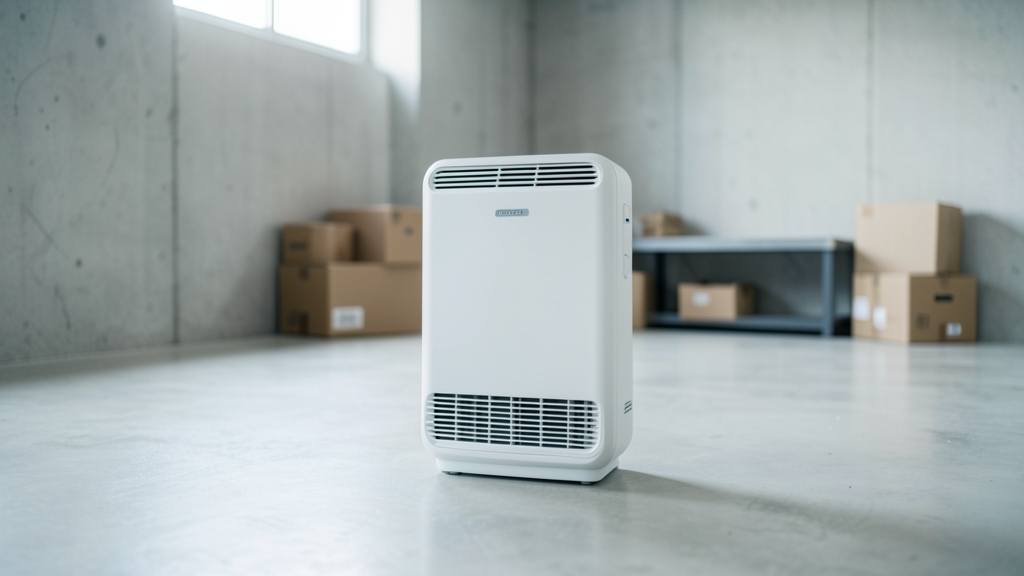
Mold in coastal Florida homes isn’t just unsightly—it’s persistent. Without addressing the root cause, even thorough mold removal can fail as spores regrow in damp, poorly ventilated spaces. We’ve refined a science-backed approach to ensure mold stays gone in Belleair Shores and surrounding areas like Clearwater and Largo.
Why Mold Keeps Coming Back in Coastal Homes
Belleair Shores’ humid subtropical climate creates ideal conditions for mold. Warm, moisture-laden air condenses on cooler surfaces, feeding spores hidden in drywall, insulation, or subflooring.
Water intrusion from heavy rains, storm surges, or plumbing leaks often goes unnoticed until mold colonies appear. Even minor leaks in attics or crawl spaces can sustain regrowth if not fully resolved.
Poor ventilation traps humidity indoors. Bathrooms, kitchens, and laundry rooms without proper exhaust fans or dehumidifiers are common culprits in Largo and Indian Rocks Beach homes.
The Critical First Step: Identifying Moisture Sources
Mold remediation fails without moisture control. Our team uses thermal imaging and moisture meters to detect hidden leaks behind walls, under flooring, or in attics.
In Belleair Shores, we often find moisture trapped in crawl spaces due to inadequate vapor barriers or poor drainage. Basements in older homes near Clearwater may also suffer from capillary action drawing groundwater upward.
Even condensation on HVAC ducts or windows can sustain mold. We trace every potential source, not just the visible signs.
A slow drip under a sink or a minor roof leak can create chronic humidity. Over time, this leads to mold regrowth in drywall or ceiling cavities.
Mold Removal vs. Mold Remediation: What’s the Difference?
Removal clears visible mold, but remediation addresses the underlying cause. Without fixing moisture issues, spores will repopulate within 24–48 hours in the right conditions.
Our process includes HEPA vacuuming, antimicrobial treatments, and encapsulating porous materials to prevent future growth. This is especially critical in attics and crawl spaces, where spores can spread undetected.
| Aspect | Mold Removal | Mold Remediation |
|---|---|---|
| Scope | Targets visible mold colonies | Addresses visible mold + root moisture issues |
| Equipment | Basic cleaning agents, scrubbing tools | HEPA vacuums, antimicrobial sprays, dehumidifiers, moisture meters |
| Long-Term Effect | Temporary; mold may return | Prevents regrowth with moisture control |
| Common Areas | Bathrooms, kitchens | Attics, crawl spaces, basements, HVAC systems |
Ventilation: The Unsung Hero of Mold Prevention
Proper airflow disrupts the stale, humid environments mold loves. In Belleair Shores, we recommend exhaust fans in high-moisture areas and whole-home dehumidifiers for spaces like basements or enclosed patios.
Attic ventilation is non-negotiable. Ridge vents, soffit vents, and solar-powered fans prevent heat and moisture buildup that can rot roof decking and foster mold.
For crawl spaces, encapsulation with a vapor barrier and a dedicated dehumidifier is the gold standard. This is a game-changer for homes in Largo and Indian Rocks Beach with elevated humidity.
Ensure your bathroom exhaust fan vents outside—not into the attic. A fan rated for at least 50 CFM per bathroom is ideal for coastal Florida homes.
Materials Matter: Choosing Mold-Resistant Options
In mold-prone areas like basements or bathrooms, opt for materials that don’t support growth. Mold-resistant drywall (e.g., paperless or fiberglass-faced) and moisture-proof insulation are smart upgrades.
For flooring, avoid carpet in damp spaces. Tile, vinyl, or sealed concrete are better choices for Belleair Shores homes near the water.
Even paint can help. Mold-inhibiting primers and paints contain antimicrobial additives to deter surface growth on walls and ceilings.
Post-Remediation: Verification and Monitoring
After remediation, we conduct air quality testing to confirm spore levels are within normal ranges. This step is critical—what you can’t see (like airborne spores) can still cause problems.
We also set up moisture monitoring in high-risk areas. Wireless sensors can alert homeowners to rising humidity before mold has a chance to take hold.
For commercial properties in Clearwater or Largo, we recommend quarterly inspections, especially in buildings with large HVAC systems or flat roofs prone to leaks.
DIY Pitfalls: When to Call the Pros
Bleach and scrubbing may remove surface mold, but they don’t address spores embedded in porous materials. DIY efforts often miss hidden colonies in walls or under flooring.
Improper containment can spread spores to unaffected areas. Professionals use negative air pressure and HEPA filtration to prevent cross-contamination during remediation.
In Belleair Shores, where humidity is relentless, a one-time cleanup without moisture control is a temporary fix. Our team combines removal with long-term prevention strategies.
If you suspect mold but aren’t sure, start with professional mold testing and air quality testing. This helps determine the scope and type of remediation needed.
How to Maintain a Mold-Free Home After Remediation
Preventing mold regrowth requires consistent habits and smart home maintenance.
- 1Control Humidity
Use dehumidifiers in basements, crawl spaces, and other damp areas. Aim to keep indoor humidity between 30–60%.
- 2Improve Airflow
Run exhaust fans in bathrooms and kitchens for at least 30 minutes after use. Open windows when weather permits to improve ventilation.
- 3Inspect Regularly
Check for leaks under sinks, around windows, and in attics. Look for water stains, musty odors, or peeling paint—early signs of moisture problems.
- 4Clean and Dry Water Damage Immediately
Any water intrusion—from a spilled glass to a burst pipe—should be dried within 24–48 hours. Use fans and dehumidifiers to speed up the process.
- 5Upgrade Problem Areas
Replace carpet in basements with mold-resistant flooring. Consider encapsulating crawl spaces or adding attic ventilation if these are recurring issues.
- 6Schedule Professional Inspections
For peace of mind, have a mold inspection and air quality test annually, especially in high-risk homes near Belleair Beach or Clearwater.
Frequently Asked Questions
How long does it take for mold to return after remediation?
Mold can begin regrowing within 24–48 hours if moisture issues aren’t resolved. Proper remediation includes fixing leaks, improving ventilation, and controlling humidity to prevent this. Without these steps, recurrence is almost inevitable in Florida’s climate.
Can I prevent mold in my Belleair Shores home without professional help?
You can reduce risks with dehumidifiers, exhaust fans, and regular inspections. However, hidden moisture or existing spore colonies often require professional tools and expertise. For attics, crawl spaces, or water damage, we recommend a professional assessment.
What are the most common places for mold to return in a home?
Mold frequently reappears in basements, crawl spaces, attics, bathrooms, and around windows or pipes. In coastal areas like Belleair Shores, crawl spaces and attics are especially vulnerable due to high humidity and poor airflow.
Is mold resistance the same as mold proof?
No. Mold-resistant materials (like certain drywall or paint) deter growth but aren’t immune. In persistent moisture, even these can fail. True prevention requires controlling humidity and addressing water intrusion promptly.
How does the Florida climate affect mold regrowth?
Florida’s heat and humidity create a perfect storm for mold. Warm air holds more moisture, and when it condenses on cooler surfaces (like AC ducts or walls), it feeds spores. This is why moisture control is non-negotiable in Belleair Shores, Largo, and surrounding areas.
What’s the difference between mold testing and air quality testing?
Mold testing identifies the presence and type of mold in a specific area, often via surface or bulk samples. Air quality testing measures the concentration of mold spores in the air, helping assess whether remediation was successful or if hidden colonies exist.