Is Your Belleair Shores Home Making You Sick? The Hidden Link Between Mold and Health
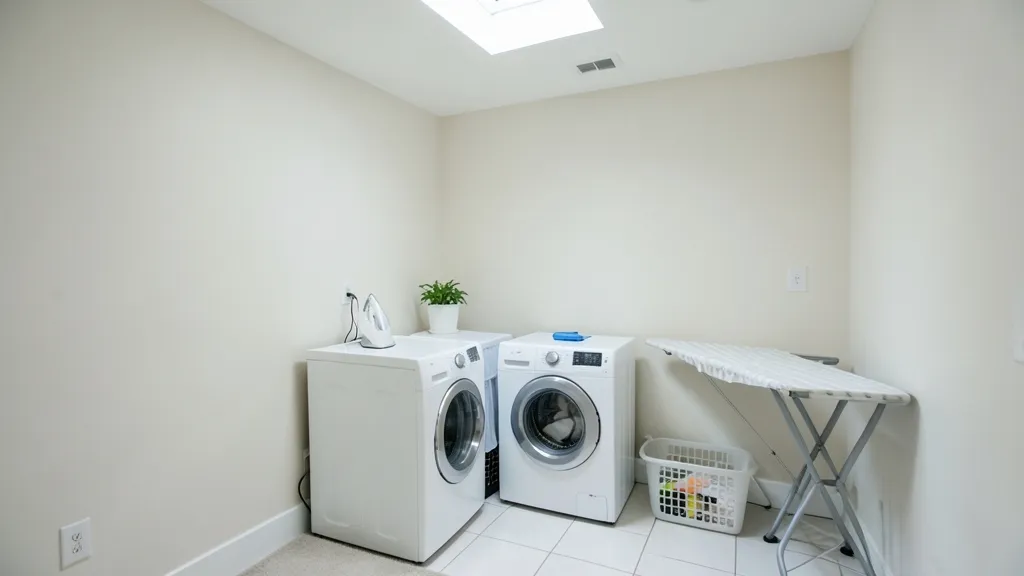
That lingering musty smell isn’t just unpleasant—it could be a red flag. Mold thrives in our humid Florida climate, and its spores can trigger allergies, respiratory issues, and even long-term health problems. We’ve seen firsthand how hidden mold in Belleair Shores homes goes unnoticed until symptoms appear.
How Mold Affects Your Health
Mold releases microscopic spores and mycotoxins that, when inhaled, can irritate airways and trigger allergic reactions. Common symptoms include sneezing, itchy eyes, and skin rashes—often mistaken for seasonal allergies.
Prolonged exposure may lead to chronic sinusitis, asthma flare-ups, or even neurological symptoms in sensitive individuals. Children, the elderly, and those with compromised immune systems are especially vulnerable.
Unexplained headaches, fatigue, or persistent coughing can indicate mold exposure. If symptoms improve when you’re away from home, mold could be the culprit.
Why Belleair Shores Homes Are at Risk
Our coastal climate means high humidity year-round, creating ideal conditions for mold growth. Even minor water intrusion from storms or leaks can spark an infestation within 24–48 hours.
Older homes in neighborhoods like Belleair Beach or Indian Rocks Beach often have hidden moisture issues in attics, crawl spaces, or behind walls. Poor ventilation in bathrooms and kitchens exacerbates the problem.
Common Types of Household Mold and Their Risks
Not all molds are equally hazardous, but many can still impact health. Black mold (Stachybotrys) is infamous for its potential to produce toxic mycotoxins, while Aspergillus and Penicillium can trigger allergies and respiratory distress.
| Mold Type | Common Locations | Health Risks |
|---|---|---|
| Stachybotrys (Black Mold) | Damp drywall, basements, HVAC systems | Respiratory issues, headaches, immune suppression |
| Aspergillus | House dust, decaying leaves, air ducts | Allergies, lung infections, asthma attacks |
| Penicillium | Water-damaged materials, carpets, wallpaper | Sinusitis, chronic cough, skin irritation |
| Cladosporium | Bathrooms, kitchens, fabrics | Mild to severe allergic reactions, eye/skin irritation |
Where Mold Hides in Your Home
Mold loves dark, damp, and poorly ventilated areas. Check under sinks, behind appliances, and in basements or crawl spaces—especially after heavy rains or flooding.
Attics are another hotspot, particularly if roof leaks or condensation go unnoticed. In Largo and Clearwater, we’ve found mold thriving in HVAC systems, spreading spores throughout the home.
Top Mold Hideouts
- Under sinks and around plumbing fixtures
- Behind refrigerators, washing machines, and dryers
- In basements, crawl spaces, and under floorboards
- Inside wall cavities (especially after water damage)
- Attics with poor ventilation or roof leaks
- HVAC ducts and air handlers
Mold vs. Mildew: Know the Difference
Mildew is a surface mold that appears as white or gray patches, typically on shower walls or windowsills. It’s easier to clean and less harmful than deeper mold infestations.
True mold, however, penetrates porous materials like drywall and wood. If you see discoloration (black, green, or brown) or notice a musty odor, it’s likely mold—and it requires professional remediation.
When to Call a Professional
If mold covers an area larger than 10 square feet, or if it’s in your HVAC system, DIY fixes won’t cut it. Our team uses advanced tools like moisture meters and thermal imaging to detect hidden mold.
For peace of mind, start with a mold inspection and air quality testing. These steps pinpoint the extent of the problem and guide the remediation process, whether in Belleair Shores or nearby areas like Clearwater.
Mold can begin growing within 24 hours of water exposure. Immediate drying and professional water damage restoration can prevent a full-blown infestation.
The Remediation Process: What to Expect
Proper mold remediation isn’t just about killing mold—it’s about removing it safely and addressing the moisture source. We isolate the affected area with containment barriers to prevent spore spread during removal.
HEPA vacuums and air scrubbers capture airborne spores, while antimicrobial treatments ensure mold doesn’t return. For severe cases, we may need to remove and replace contaminated drywall or insulation.
How to Reduce Mold Risks at Home
Preventing mold starts with controlling moisture and improving airflow.
- 1Control Humidity
Use dehumidifiers to keep indoor humidity below 50%. In Florida’s humid climate, this is your first line of defense.
- 2Fix Leaks Promptly
Inspect pipes, roofs, and windows regularly. Even small leaks can lead to major mold problems over time.
- 3Improve Ventilation
Run exhaust fans in bathrooms and kitchens. Open windows when weather permits to circulate fresh air.
- 4Clean and Dry Water-Damaged Areas
Dry wet carpets, furniture, and walls within 24 hours. Use fans and dehumidifiers to speed up the process.
- 5Use Mold-Resistant Products
Opt for mold-resistant drywall, paint, and insulation in high-risk areas like basements and bathrooms.
- 6Schedule Regular Inspections
Annual mold inspections and air quality testing can catch problems early, especially in older homes or after storms.
Frequently Asked Questions
Can mold in my Belleair Shores home cause long-term health issues?
Yes. Chronic exposure to mold spores and mycotoxins can lead to respiratory diseases, immune system suppression, and even neurological effects in severe cases. Early detection and remediation are key to minimizing risks.
How do I know if my symptoms are from mold or something else?
Mold-related symptoms often worsen at home and improve when you’re away. If you notice a pattern—like coughing or headaches that ease after leaving the house—it’s worth investigating for mold. A professional mold inspection can provide clarity.
Is black mold more dangerous than other types?
Black mold (Stachybotrys) can produce mycotoxins that pose serious health risks, but all molds can cause problems. The severity depends on the type, extent of exposure, and individual sensitivity. Never assume a mold is harmless based on color alone.
Can I clean mold myself, or do I need a professional?
Small, surface-level mold (under 10 sq ft) can often be cleaned with proper safety gear and EPA-approved solutions. However, larger infestations or mold in HVAC systems require professional remediation to ensure complete and safe removal.
Does homeowners insurance cover mold remediation in Florida?
Coverage varies by policy. Many standard policies exclude mold unless it’s a direct result of a covered peril, like a burst pipe. Review your policy or consult your insurer to understand your options. Request a quote from a remediation specialist to assess costs.
How can I prevent mold after a hurricane or flood in Belleair Shores?
Act quickly to dry out your home using fans, dehumidifiers, and open windows. Remove wet carpets, furniture, and drywall if they can’t be thoroughly dried. Consider professional water damage restoration to prevent hidden mold growth.