Mold-Proofing Your Basement: Expert Tips for Belleair Shores Homeowners
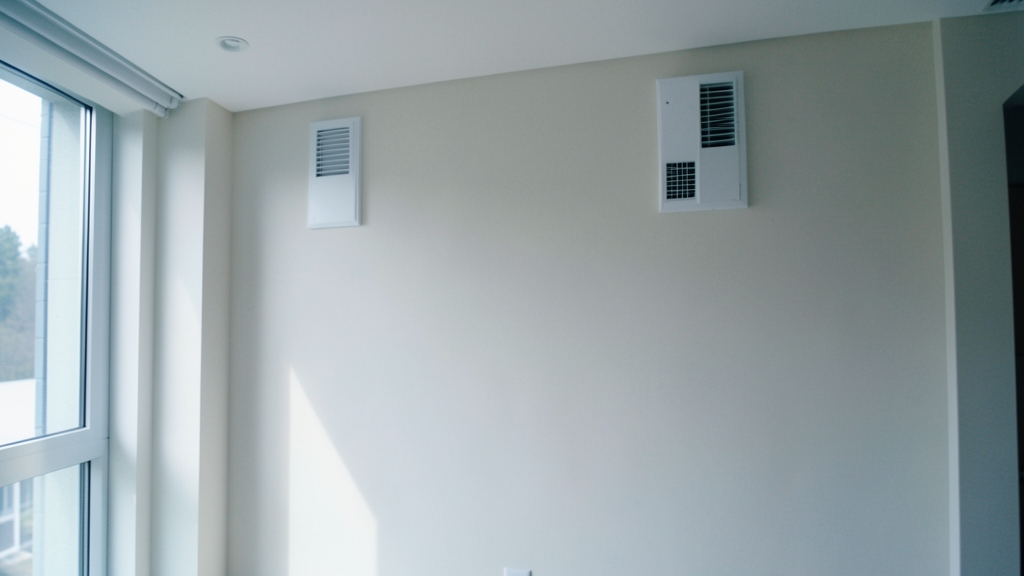
Basements in our coastal Florida climate are prime targets for mold growth. High humidity, poor airflow, and hidden water intrusion create the perfect storm. We’ve helped homeowners in Belleair Shores, Belleair Beach, and Indian Rocks Beach tackle these issues head-on with proven prevention strategies.
Why Basements in Coastal Florida Are Mold Magnets
Florida’s warm, humid air holds moisture that seeps into basements through cracks, gaps, or porous materials. Without proper barriers, condensation forms on cool surfaces, feeding mold spores already present in the air.
Our region’s frequent rain and high water table in areas like Largo and Clearwater exacerbate the problem. Even minor leaks or poor drainage can lead to chronic dampness, accelerating mold colonization on wood, drywall, or insulation.
Signs Your Basement Needs Mold Attention
Musty odors are the first red flag—mold releases microbial volatile organic compounds (MVOCs) that create that unmistakable smell. Visible dark spots, discoloration, or fuzzy growth on walls, floors, or stored items confirm an active problem.
Less obvious signs include peeling paint, warped baseboards, or increased allergy symptoms among household members. If you notice these, a professional mold inspection and air quality testing can pinpoint hidden issues before they spread.
Mold behind drywall or under carpeting can go unnoticed until it causes structural damage. Early detection saves time, money, and health risks.
Moisture Control: The Foundation of Mold Prevention
Controlling humidity is non-negotiable. We recommend maintaining indoor humidity below 60%—ideally between 30-50%—using high-capacity dehumidifiers designed for basements. Look for models with built-in hygrometers and auto-drain features.
Vapor barriers installed on crawl space floors and walls block ground moisture from seeping into your home. In finished basements, moisture-resistant drywall and sealants add another layer of protection against condensation.
Ventilation and Airflow Strategies
Stagnant air traps moisture and spores. Installing exhaust fans or an energy-recovery ventilator (ERV) improves airflow without introducing excess humidity. For basements with HVAC, ensure ducts are insulated to prevent condensation buildup.
Simple fixes like opening windows during dry spells or using standalone fans can help, but they’re no substitute for a dedicated system in our humid climate. In commercial spaces, we often integrate industrial-grade ventilation with mold remediation plans.
| Solution | Best For | Limitations |
|---|---|---|
| Dehumidifier | Finished basements, small spaces | Requires regular maintenance, not a standalone fix |
| Exhaust Fan | Bathrooms, laundry areas in basements | Limited to localized moisture removal |
| ERV/HRV System | Whole-basement ventilation | Higher upfront cost, professional installation needed |
| Cross-Ventilation (Windows/Fans) | Temporary relief during dry weather | Ineffective in high humidity or during rain |
Water Intrusion: Stop It at the Source
Gutters and downspouts should direct water at least 5-10 feet away from your foundation. Clogged or improperly sloped systems dump water right next to your basement walls, leading to seepage and hydrostatic pressure.
For homes in low-lying areas near Belleair Beach or Clearwater, consider a French drain or interior drainage system paired with a sump pump. These systems channel groundwater away before it can penetrate your basement.
Basement Waterproofing Checklist
- Inspect gutters and downspouts for clogs or damage
- Ensure grading slopes away from the foundation (1 inch per foot for 6 feet)
- Seal cracks in foundation walls with hydraulic cement or epoxy
- Install a sump pump with battery backup for power outages
- Test drainage systems during heavy rain to identify weaknesses
Materials Matter: Mold-Resistant Choices
Not all building materials are equal in the fight against mold. Pressure-treated wood, concrete, and closed-cell spray foam insulation resist moisture absorption. Avoid carpeting in basements; opt for tile, vinyl, or sealed concrete flooring instead.
For stored items, use plastic bins with tight lids rather than cardboard boxes. Cardboard is a mold buffet—porous, organic, and moisture-absorbent. Elevate items on pallets to allow airflow underneath.
When to Call in the Pros for Mold Remediation
DIY solutions work for small, surface-level mold (under 10 square feet). But if mold covers large areas, returns after cleaning, or you suspect it’s in your HVAC system, it’s time for professional remediation. We use HEPA filtration, containment barriers, and antimicrobial treatments to ensure thorough removal.
In Belleair Shores and surrounding areas, we often see mold in attics and crawl spaces too. These areas require specialized equipment and expertise to address safely and effectively.
Mold can begin growing within 24-48 hours of water exposure. Immediate water damage restoration is critical to prevent long-term issues.
Ongoing Maintenance to Keep Mold at Bay
Regular inspections are key. Check for new cracks, condensation, or musty smells every few months, especially after heavy storms or humidity spikes. Replace HVAC filters every 1-3 months to prevent spore circulation.
Consider a professional mold inspection and air quality testing annually, particularly if your basement has a history of issues. This proactive approach catches problems early, before they escalate into costly remediation projects.
How to Inspect Your Basement for Mold Risks
A thorough inspection helps you catch mold early and address moisture issues before they spiral.
- 1Check for Visible Signs
Look for dark spots, discoloration, or fuzzy growth on walls, floors, and stored items. Pay special attention to corners, behind furniture, and around pipes.
- 2Sniff Test
Musty odors indicate hidden mold. Follow your nose to the source—it’s often behind drywall or under carpeting.
- 3Assess Moisture Levels
Use a moisture meter to check walls, floors, and air humidity. Readings above 15-20% in materials or 60% in air signal trouble.
- 4Inspect for Water Intrusion
Look for water stains, efflorescence (white mineral deposits), or peeling paint. Check around windows, foundation cracks, and where walls meet the floor.
- 5Test Airflow
Hold a tissue near vents, windows, or fans. Poor airflow or stagnant air increases mold risk. Consider adding ventilation if needed.
- 6Review Drainage
Ensure gutters, downspouts, and grading direct water away from your home. Test sump pumps and French drains during rain to confirm they’re working.
Frequently Asked Questions
How often should I run my basement dehumidifier in Belleair Shores?
In our humid climate, run it continuously during the wet season (May–October) and as needed in cooler months. Aim to keep humidity below 60%. Empty the reservoir or ensure auto-drain is functioning to prevent overflow.
Can I paint over mold to fix the problem?
No. Painting over mold without addressing the underlying moisture issue is a temporary cover-up. The mold will continue to grow beneath the paint, leading to peeling and further damage. Always remediate first, then repaint with mold-resistant products.
What’s the difference between mold testing and mold inspection?
A mold inspection is a visual and physical assessment of your property for signs of mold and moisture issues. Mold testing (or air quality testing) involves collecting samples to identify spore types and concentrations in the air or on surfaces. We often recommend both for a complete picture.
Are basements in Belleair Shores more prone to mold than other areas?
Yes, due to our coastal location, high humidity, and frequent rainfall. Homes in Belleair Shores, Belleair Beach, and Indian Rocks Beach are especially vulnerable because of the sandy soil, which drains quickly but can shift, creating foundation cracks. Proper waterproofing is a must.
How do I know if my basement’s mold is toxic?
Not all mold is ‘toxic,’ but some species like Stachybotrys (black mold) produce mycotoxins that can pose health risks. Lab testing is the only way to identify specific mold types. If you see black, green, or white growth, or experience health symptoms, contact us for testing and remediation.
Does homeowners insurance cover mold remediation in Florida?
Coverage varies by policy. Most standard policies exclude mold unless it’s a direct result of a covered peril (e.g., a burst pipe). Review your policy or consult your insurer. Documenting the cause and acting quickly can improve your chances of a claim approval.