Understanding the Link Between Water Damage and Mold Growth in Belleair Shores
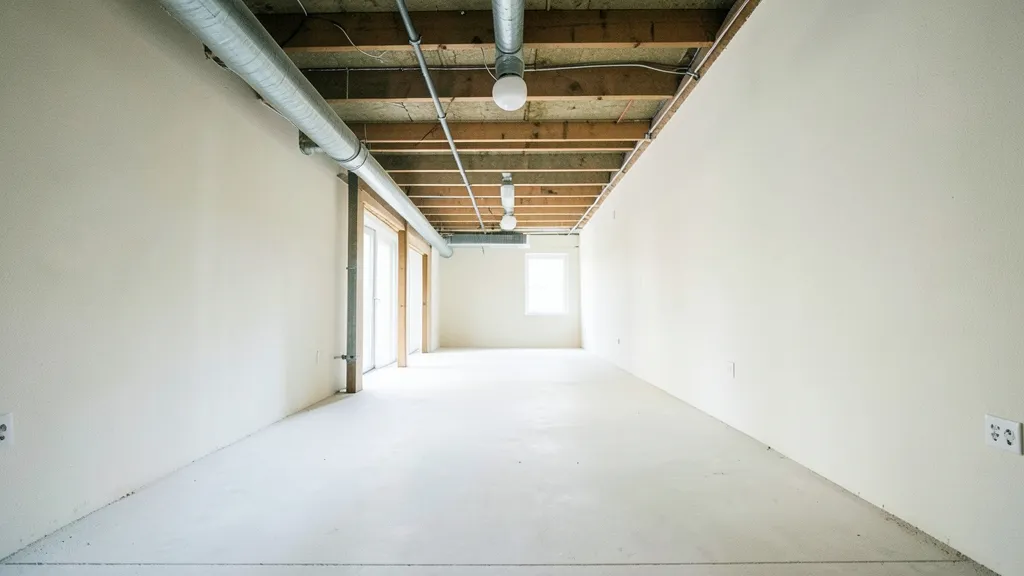
Water damage isn’t just a structural issue—it’s the leading catalyst for mold growth in coastal homes. In our humid Florida climate, even minor leaks or condensation can create the perfect breeding ground for mold within 24 to 48 hours. Understanding this connection is the first step to protecting your property and health.
Why Water Damage Leads to Mold in Coastal Homes
Mold spores are everywhere, but they only thrive where moisture is present. In Belleair Shores, high humidity and frequent storms provide ample opportunities for water to seep into walls, floors, and ceilings.
Once materials like drywall, wood, or insulation become saturated, mold colonizes quickly. Without prompt water damage restoration, these colonies spread unseen, compromising indoor air quality.
Common Sources of Water Intrusion in Belleair Shores
Roof leaks from heavy rains or aging shingles are a top culprit. Even small gaps can channel water into attics, leading to attic mold remediation needs.
Plumbing failures—burst pipes, slow drips, or faulty appliances—often go unnoticed until mold appears. Crawl spaces and basements, common in nearby Largo and Clearwater, are especially vulnerable.
Storm surges and flooding, particularly in low-lying areas near Belleair Beach or Indian Rocks Beach, can introduce massive moisture loads. Poor drainage or grading worsens the problem.
Hidden Water Damage Red Flags
- Musty odors in specific rooms or HVAC vents
- Discoloration or staining on walls/ceilings
- Peeling paint or bubbling wallpaper
- Warped or buckling flooring
- Visible mold growth (black, green, or white spots)
How Mold Spreads After Water Exposure
Mold reproduces via microscopic spores that travel through the air. Once they land on damp surfaces, they germinate and form colonies. HVAC systems can accelerate this process by circulating spores throughout the home.
Porous materials like drywall and carpeting absorb moisture and provide organic matter for mold to feed on. Non-porous surfaces (tile, glass) resist growth but can still harbor mold in grout or seams.
Mold can begin growing within 24 hours of water exposure. Delaying mold inspection or testing allows colonies to expand, increasing remediation costs and health risks.
Health Risks of Unchecked Mold Growth
Exposure to mold can trigger allergic reactions, asthma attacks, and respiratory issues—especially in children, the elderly, or those with compromised immune systems. Some molds, like Stachybotrys (black mold), produce mycotoxins linked to more severe health effects.
Symptoms often mimic allergies: sneezing, skin irritation, or chronic fatigue. If these persist indoors but improve outside, mold may be the cause. Air quality testing can confirm the presence of elevated spore levels.
Water Damage vs. Mold Remediation: Key Differences
While water damage restoration focuses on drying and repairing affected areas, mold remediation targets the removal and prevention of mold colonies. Both are critical but serve distinct purposes.
Water damage restoration typically involves extraction, dehumidification, and structural repairs. Mold remediation includes containment, HEPA filtration, and antimicrobial treatments to prevent regrowth.
| Focus | Primary Goal | Key Steps | Tools/Equipment |
|---|---|---|---|
| Water Damage Restoration | Repair structural damage | Extraction, drying, repairs | Pumps, dehumidifiers, moisture meters |
| Mold Remediation | Remove mold and prevent recurrence | Containment, removal, cleaning, prevention | HEPA vacuums, air scrubbers, antimicrobials, PPE |
Preventing Mold After Water Damage
The key to mold prevention is controlling moisture. After any water intrusion, thorough drying is essential. Use industrial-grade dehumidifiers and fans to reduce humidity below 60%.
For chronic issues, consider moisture barriers in crawl spaces or improved attic ventilation. Regular mold inspections, especially after storms or leaks, can catch problems early. In commercial properties, proactive moisture control is non-negotiable.
Install a smart humidity monitor in high-risk areas (bathrooms, basements, attics). Alerts can help you act before mold takes hold.
When to Call a Professional in Belleair Shores
DIY fixes work for small, surface-level mold (under 10 square feet). But if water damage is extensive, or mold is in HVAC systems, behind walls, or in crawl spaces, professional mold remediation is necessary.
Our team uses thermal imaging and moisture meters to detect hidden water and mold. We also provide mold testing and air quality testing to assess the scope before remediation begins.
How to Respond to Water Damage to Prevent Mold
Acting promptly can help avoid expensive mold remediation later.
- 1Stop the Water Source
Shut off the main water supply if the leak is from plumbing. For roof leaks, tarp the area to prevent further intrusion.
- 2Extract Standing Water
Use a wet/dry vacuum or call a water damage restoration team for large volumes. The faster water is removed, the lower the mold risk.
- 3Dry the Area Thoroughly
Run dehumidifiers and fans continuously for at least 24–48 hours. Monitor moisture levels with a meter to ensure materials are dry.
- 4Remove Damaged Materials
Cut out and discard porous materials like wet drywall, carpet, or insulation. These cannot be fully sanitized once moldy.
- 5Disinfect and Monitor
Clean non-porous surfaces with a mold-killing solution (e.g., diluted bleach or commercial antimicrobial). Watch for signs of mold in the following weeks.
- 6Request a Professional Inspection
If the damage is extensive or you suspect hidden mold, schedule a mold inspection. Professionals have tools to detect moisture and spores behind walls or in ductwork.
Frequently Asked Questions
Can mold grow without visible water damage in Belleair Shores?
Yes. High humidity alone can support mold growth, especially in poorly ventilated areas like attics or crawl spaces. Condensation from AC units or temperature fluctuations can also create hidden moisture.
How do I know if my water damage has caused mold?
Look for musty odors, discoloration, or warping in materials. If you’re unsure, mold testing or air quality testing can confirm spore levels. A professional mold inspection is the most reliable method.
Is black mold more dangerous than other types?
Black mold (Stachybotrys) can produce mycotoxins, which may pose greater health risks than common molds. However, all mold should be addressed promptly, as reactions vary by individual.
Will my homeowners insurance cover mold remediation?
Coverage depends on the cause. Sudden water damage (e.g., burst pipes) is often covered, but gradual issues (e.g., long-term leaks) may not be. Review your policy and document the damage thoroughly. Request a quote from a local remediation team to understand potential costs.
Can I paint over mold to hide it?
No. Painting over mold without addressing the underlying moisture will allow it to continue growing beneath the surface. Proper mold removal and moisture control are essential before any cosmetic fixes.
Are there areas in my home more prone to mold after water damage?
Yes. Bathrooms, kitchens, basements, crawl spaces, and attics are high-risk due to plumbing, poor ventilation, or proximity to roofs. In Belleair Shores, homes near the coast or in flood-prone zones require extra vigilance.