Why DIY Mold Solutions Fail in Belleair Shores and When to Call a Pro
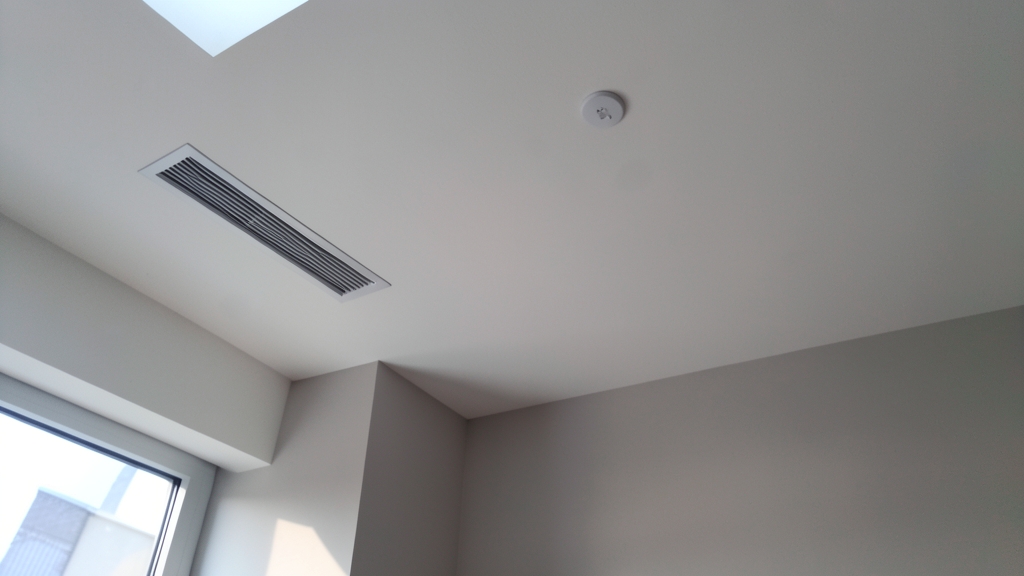
Belleair Shores’ warm, humid air is a breeding ground for mold—especially after heavy rains or hidden leaks. DIY fixes might seem cost-effective, but they often miss the root cause, allowing colonies to return with a vengeance. We’ve seen the aftermath: contaminated HVAC systems, structural damage, and health risks that could’ve been avoided.
The Hidden Nature of Mold in Coastal Florida Homes
Mold thrives in spaces you can’t see: behind drywall, under flooring, or inside HVAC ducts. In Belleair Shores, the salty air and frequent storms accelerate growth, making detection without professional tools nearly impossible.
Surface cleaning with bleach or store-bought sprays only removes visible mold. The spores embedded deep in porous materials like drywall or insulation continue spreading, undeterred.
Bleach only discolors mold on non-porous surfaces. On drywall or wood, it fails to penetrate, leaving roots intact—and the water in bleach can even feed further growth.
DIY vs. Professional Mold Remediation: What You’re Missing
Professionals use moisture meters, thermal imaging, and air quality tests to locate hidden mold. DIYers rely on guesswork, often treating symptoms while ignoring the source: a leaky pipe, poor ventilation, or high humidity.
We establish containment with plastic sheeting and negative air pressure to prevent spores from spreading during removal. Without this, DIY efforts can aerosolize spores, worsening contamination in adjacent rooms.
| Factor | DIY Approach | Professional Approach |
|---|---|---|
| Detection | Visual inspection only | Moisture meters, thermal imaging, air testing |
| Containment | None or minimal | Sealed barriers, negative air pressure |
| Spores Removal | Surface cleaning | HEPA vacuums, air scrubbers |
| Prevention | Short-term fixes | Moisture control, structural repairs |
| Safety | Limited PPE | Full PPE, respirators, disposal protocols |
Health Risks of Incomplete Mold Removal
Exposure to mold spores can trigger allergies, asthma, or respiratory infections—especially in children, the elderly, or those with compromised immune systems. DIY removal often stirs up spores, increasing exposure.
Some molds, like Stachybotrys (black mold), produce mycotoxins linked to neurological issues. Without proper containment and HEPA filtration, these toxins can become airborne during amateur cleanup.
When DIY Mold Cleanup Might Work (And When It Won’t)
For small, non-porous surfaces (like tile or glass) with mold covering less than 10 square feet, a DIY approach using EPA-approved cleaners *might* suffice—if moisture is fully addressed afterward.
But in Belleair Shores, most mold problems are larger or hidden. Porous materials (drywall, carpet, ceiling tiles) or mold in HVAC systems, crawl spaces, or attics require professional remediation to prevent recurrence.
The EPA recommends professional remediation for mold covering more than 10 square feet. In Florida’s humidity, even small patches often signal a larger, hidden issue.
The Cost of Cutting Corners: Long-Term Consequences
Skipping professional remediation can lead to structural damage—mold weakens wood, drywall, and insulation over time. In coastal areas like Belleair Shores, this can compromise your home’s integrity against storms.
Re-selling a home with unresolved mold issues can derail inspections. Buyers often demand remediation certificates, and undisclosed mold can lead to legal liabilities.
How Humidity and Local Weather Fuel Mold Growth
Belleair Shores’ subtropical climate, with its high humidity and frequent rain, creates ideal conditions for mold. Even a minor leak or condensation issue can spiral into a major problem if not addressed quickly.
Poor ventilation in bathrooms, kitchens, or laundry rooms exacerbates the issue. Without dehumidifiers or exhaust fans, moisture lingers, inviting mold to take hold.
Related Services That Often Accompany Mold Remediation
Mold rarely exists in isolation. Water damage restoration is often needed to fix the source—whether it’s a burst pipe in Largo, a leaky roof in Clearwater, or flooding in a Belleair Beach crawl space.
Attic and crawl space mold remediation are common in older homes, where poor insulation and ventilation trap moisture. Commercial properties, especially near Indian Rocks Beach, may require large-scale air quality testing and HVAC cleaning.
Signs Your Home Needs More Than Just Mold Removal
- Recurring mold after cleaning
- Musty odors in HVAC vents
- Water stains on ceilings or walls
- Peeling paint or warped drywall
- Unexplained health symptoms (coughing, headaches)
How to Safely Inspect for Mold Before It Spreads
Early detection can save you from costly remediation—here’s how to check your home like a pro.
- 1Gather the Right Tools
Use a moisture meter (available at hardware stores) and a flashlight. Look for discoloration, water stains, or musty smells in hidden areas.
- 2Check High-Risk Areas
Inspect under sinks, around windows, in basements or crawl spaces, and behind appliances. Pay extra attention to bathrooms and laundry rooms.
- 3Look for Hidden Signs
Peeling wallpaper, warped flooring, or condensation on windows can indicate excess moisture. Mold often grows behind these materials.
- 4Test the Air
For a definitive answer, consider professional air quality testing. DIY test kits are available but may lack accuracy for Florida’s diverse mold species.
- 5Document Findings
Take photos and notes of any mold or moisture issues. This helps professionals assess the scope and provide an accurate quote.
- 6Avoid Disturbing Mold
Never touch or scrub mold without proper PPE. Disturbing it can release spores into the air, worsening contamination.
Frequently Asked Questions
Can I just paint over mold to hide it?
No. Painting over mold without removing it first traps moisture and spores, causing the mold to grow beneath the paint. The problem will resurface, often worse than before. Always address the root cause first.
How do I know if my Belleair Shores home has toxic black mold?
Black mold (Stachybotrys) is greenish-black and often slimy. However, color alone isn’t a reliable indicator—lab testing is the only way to confirm toxicity. If you suspect black mold, avoid DIY removal and call a professional.
Why does mold keep coming back after I clean it?
Mold returns because the moisture source hasn’t been fixed. In Florida, high humidity or hidden leaks (like in attics or crawl spaces) can reignite growth. Professional remediation includes moisture control to prevent recurrence.
Is mold in my HVAC system dangerous?
Yes. Mold in HVAC systems spreads spores throughout your home every time the system runs, exacerbating allergies and respiratory issues. It requires specialized cleaning and often duct replacement to fully remediate.
Do I need to leave my home during mold remediation?
For large infestations or toxic mold, temporary relocation is recommended—especially for vulnerable individuals. Professionals use containment to minimize spore spread, but safety depends on the severity. We’ll advise you based on the assessment.
How long does professional mold remediation take in Belleair Shores?
Timeline varies by size and complexity. Small, contained jobs may take 1-3 days, while large or hidden infestations (e.g., in crawl spaces or attics) can take a week or more. Drying time after water damage also extends the process.